
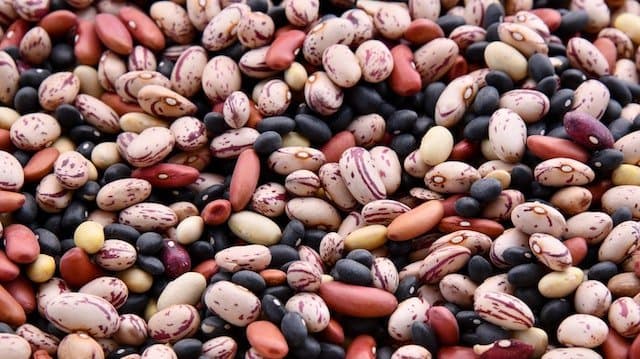
A protein with a bad reputation
Lectins are a family of proteins found in most foods, in particular pulses, whole grains and nightshades like tomatoes. They picked up a fearsome reputation a few years ago when a popular diet book named them the single biggest danger in the modern diet, recommending cutting out beans, whole grains and tomatoes altogether. Given that those foods are some of the best-studied, most consistently healthy foods there are, that advice never sat well with the actual evidence.
Not all lectins are equal
The very first lectin ever identified, in the nineteenth century, was ricin — a genuinely dangerous poison from the castor bean. Most lectins found in ordinary food are nothing like it. Even the more potent lectins present in raw beans break down almost entirely with cooking, well before the beans are even soft enough to eat: ten minutes of cooking clears the lectins, while softening the bean fully takes closer to an hour.
Lectins tend to concentrate in seeds, which makes evolutionary sense — it helps the seed survive digestion intact. In the body, they slow the digestion of carbohydrates, which is broadly a good thing: it lowers the glycaemic impact of a meal and helps with insulin regulation, part of why beans support healthy weight management. Some lectins, including those in mushrooms, appear to actively inhibit the growth of cancer cells in early research. There's a reasonable argument that these small amounts of plant compounds work a little like a hormetic stress — a tiny, manageable challenge that primes the body's own defences.
Who should actually be careful
If you have a genuine lectin allergy, or a condition like IBS or Crohn's disease, avoiding high-lectin foods can make sense, and it's worth telling us before you arrive so we can plan your juices and broths around it. For almost everyone else, the vitamins, minerals and fibre that come packaged with lectins in beans, grains and vegetables far outweigh any risk from the lectins themselves.
